Roller shutter graphics vs traditional shopfront signs
Most independent shops choose between a new fascia sign, window vinyl or printing the roller shutter they already have. Here is how the three compare on cost, lifespan and the hours they actually advertise — based on fifteen years of installs across Middlesbrough, Teesside and the rest of the UK.
The short answer
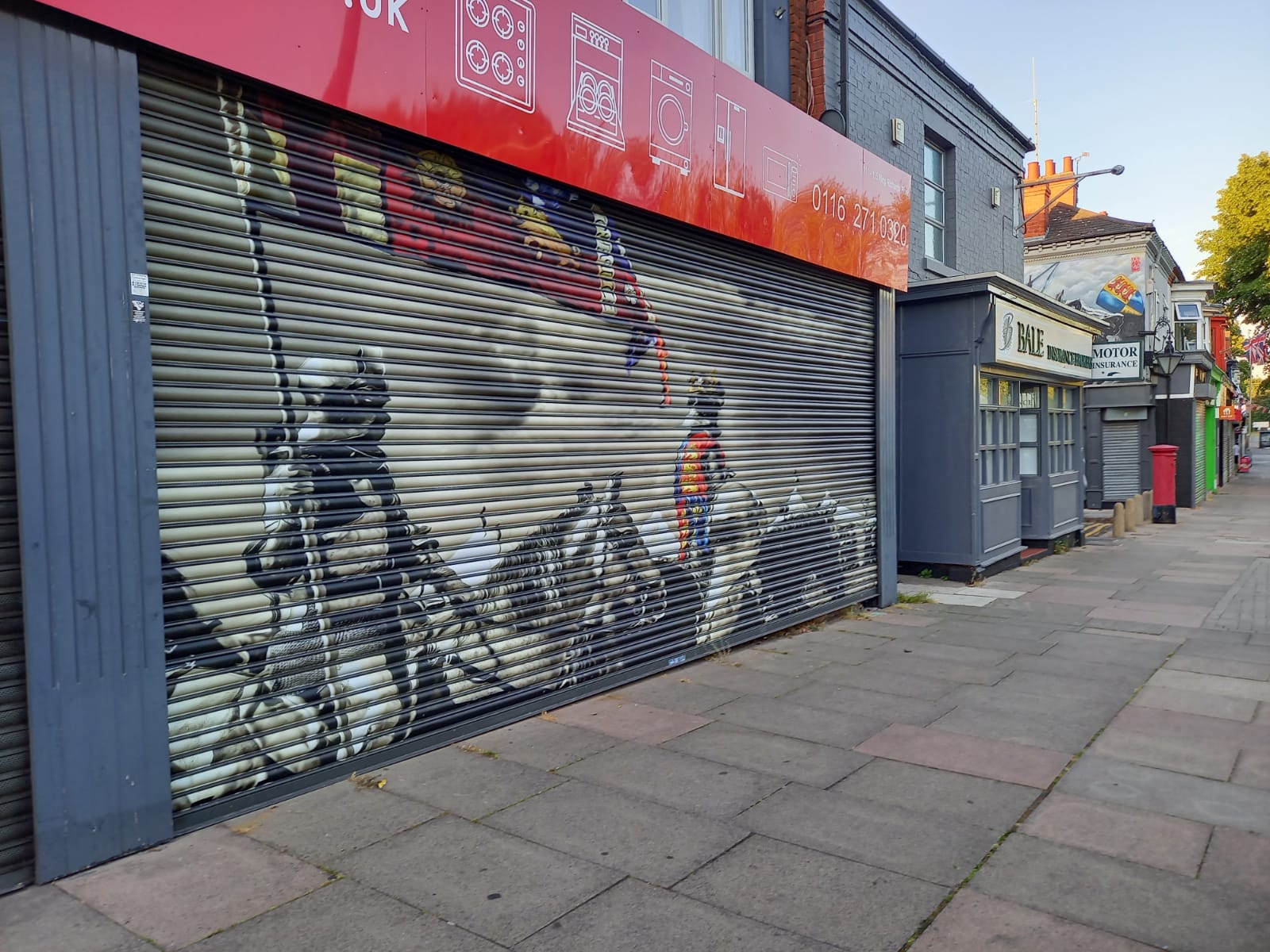
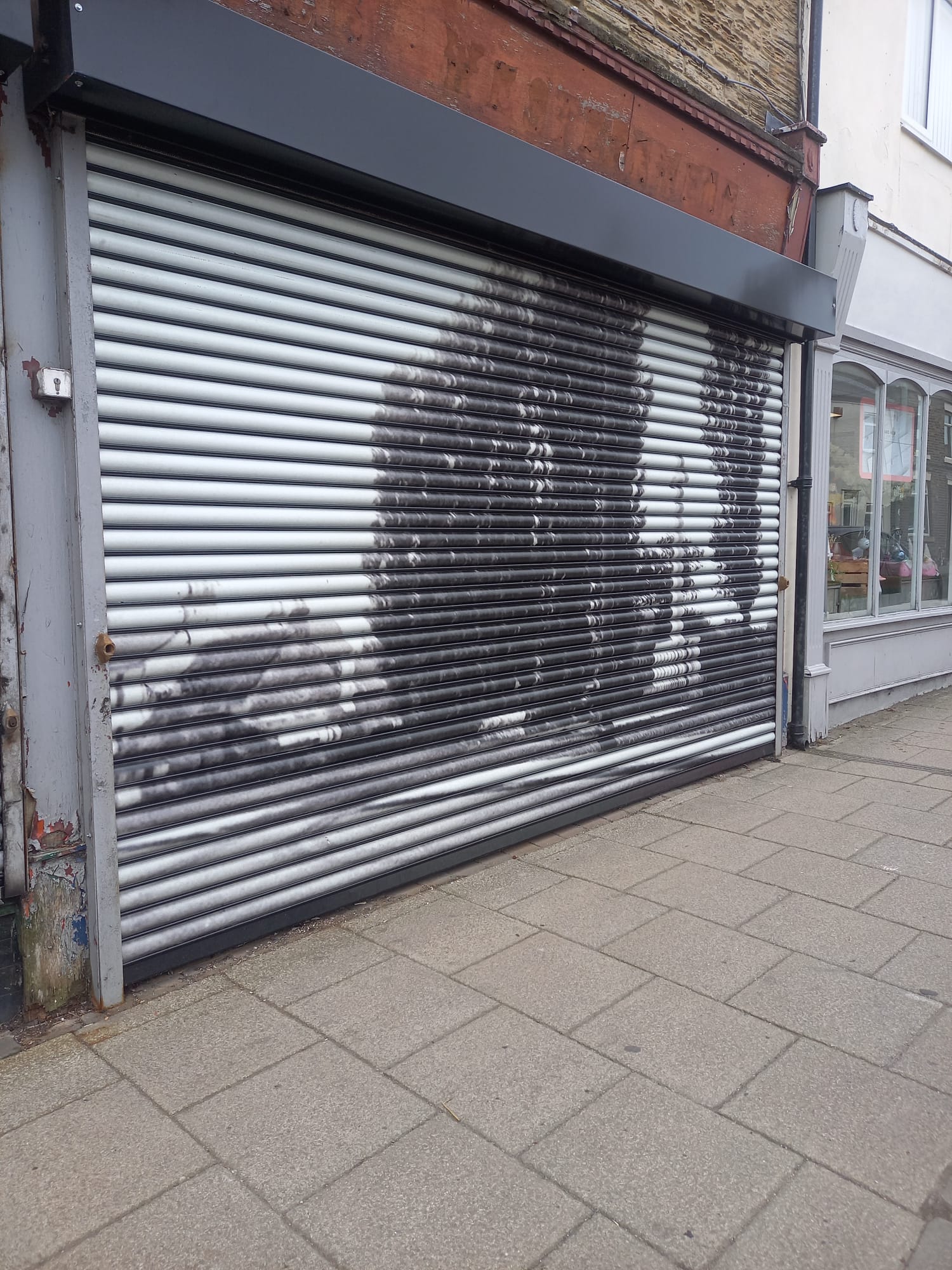
If the shutter is down for a meaningful part of the week, roller shutter graphics give the lowest cost per hour of exposure of any shopfront signage. A fascia sign still does the job of naming the business; the shutter is what keeps the frontage working after the lights go off.
Side-by-side comparison
| Option | Typical cost | Lifespan | When it works | Best for |
|---|---|---|---|---|
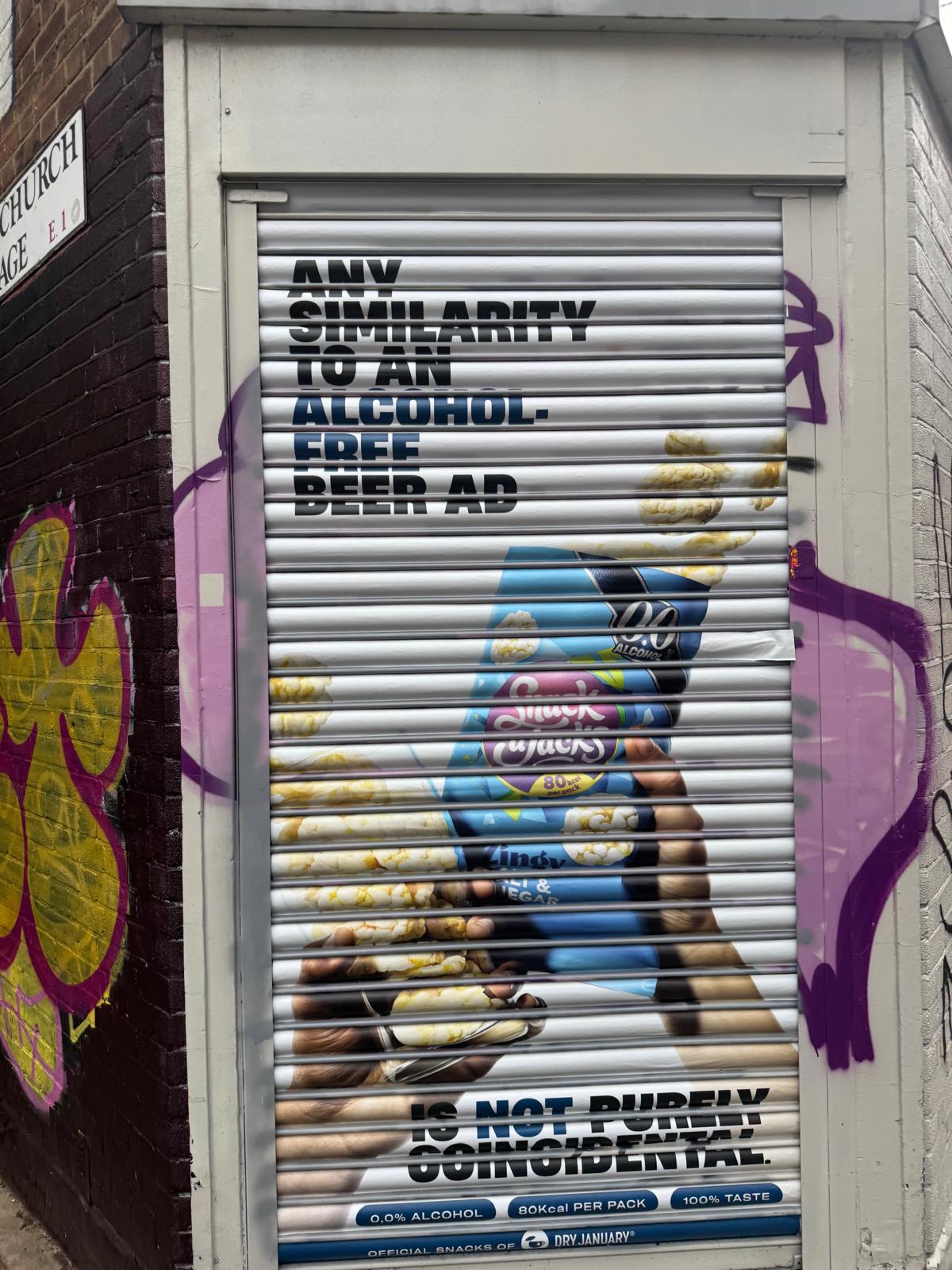
| Roller shutter graphics | Low — uses the existing shutter | 5–7 years with UV and anti-graffiti laminate | Nights, weekends and closed days | High streets, takeaways, barbers, multi-site retail |
| Window graphics & vinyl | Low to medium | 3–5 years, easily swapped for campaigns | Daytime, plus lit interiors after dark | Promotions, privacy, manifestation |
| Traditional fascia signs | High — fabrication, fixing and often power | 8–10 years | Trading hours, longer if illuminated | Permanent identity above the shopfront |
Cost per hour of exposure
A typical high-street shop trades around 60 hours a week and is closed for the other 108. An illuminated fascia advertises during the 60; a printed shutter covers most of the 108, including Sunday footfall and evening traffic. Spread over a five-to-seven year laminate life, that is the cheapest square metre of outdoor advertising a small business can buy — and unlike rented poster space, it is on your own frontage.
Vandalism, graffiti and street appeal
Blank shutters attract tags. A full-colour wrap with an anti-graffiti laminate is both a harder target and easier to clean — paint wipes off without touching the print. Several town-centre landlords and BIDs now prefer printed shutters for exactly that reason.
When a traditional sign is still the right call
If there is no shutter, if the unit sits back from the pavement, or if the business needs to be readable from a road at speed, a fascia or projecting sign wins. In practice most shopfronts end up with both: a fascia for identity, shutter graphics for the hours the fascia cannot cover, and window vinyl for offers that change.
Common questions
- Are roller shutter graphics cheaper than a new shopfront sign?
- Usually yes. A printed roller shutter uses the shutter you already own, so there is no fascia, tray, fixings or electrical work. Most single-shop shutters land well below the cost of a comparable illuminated fascia sign.
- Do I need planning permission for roller shutter graphics?
- Printed graphics applied to an existing shutter are generally treated as decoration rather than a new advertisement structure, but conservation areas and listed buildings have their own rules. Check with your local authority before ordering artwork.
- How many hours a day does each type of signage work?
- A fascia sign is seen while the shop is open and lit. A printed roller shutter works precisely when the fascia is least visible — nights, Sundays and bank holidays — which for most high-street retailers is more than half the week.
- Do shutter graphics stop graffiti?
- An anti-graffiti laminate lets paint and marker be wiped off without damaging the print, and a covered shutter is a far less attractive target than a blank grey one.